Showing posts with label inclusiveness. Show all posts

Sunday, February 15, 2015

It's time for sexism to exit through the gift shop

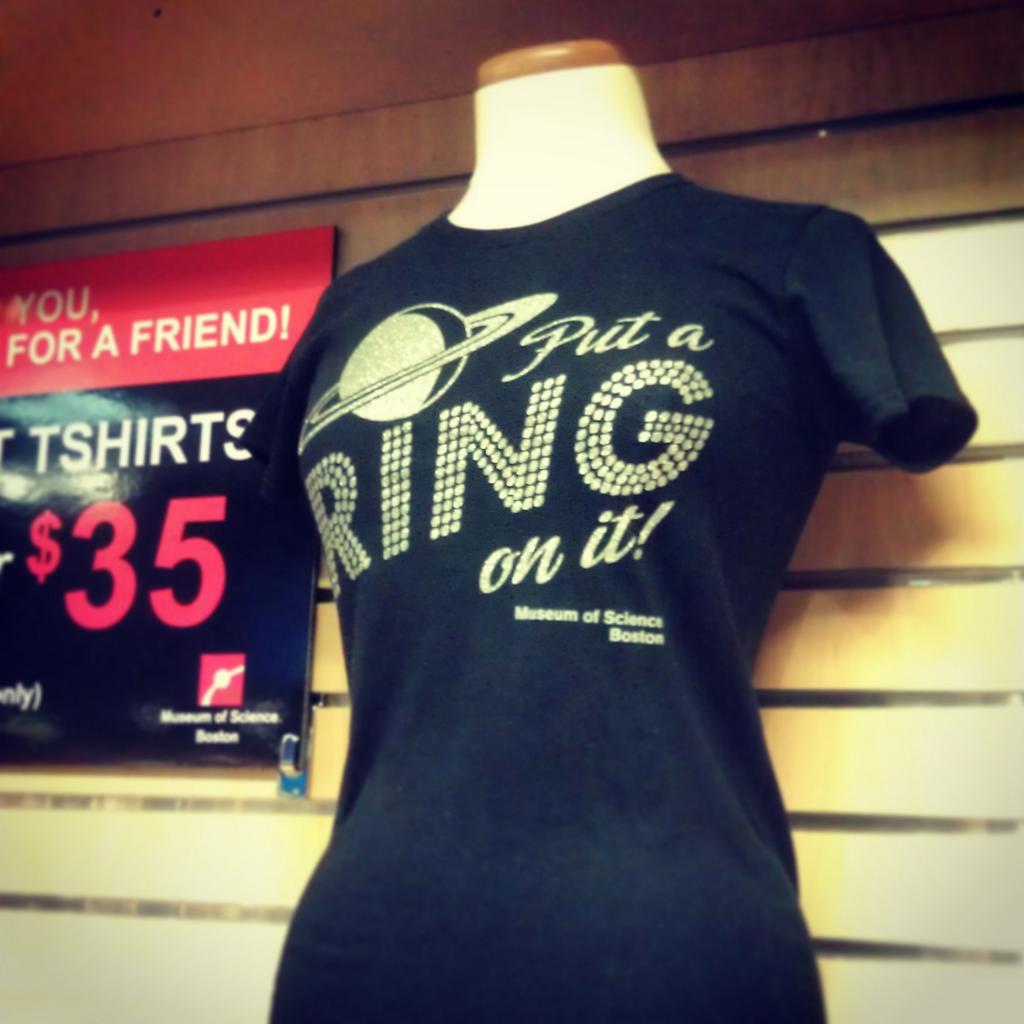
Striving to be gender inclusive- except in the gift shop.

When I was in college I had a job as a cashier in the gift shop at a children's museum. While I loved working at the museum, I didn't like working in the gift shop. It seemed to be the place in the museum that brought out the worst in people, children and grownups alike. A family who would spend the afternoon strolling through the exhibits, laughing and enjoying each others' company would end their visit in the gift shop, playing out the roles of whiny, wheedling children and bribing, manipulative adults.

But even more disturbing than the tantrums, bargaining, and empty threats, was the way families who had happily played dress-up with their boys and built block towers with their girls would pass over the gift shop threshold and suddenly become staunch gender-enforcers.

I vividly remember witnessing one such instance:

A mother and son were perusing the gift shop's one-dollar bins. Among the piles of cheap plastic toys the little boy, maybe four years old, settled on a pencil. A pencil. It was the color of bubble gum and had a matching pink downy feather sprouting out of where the eraser should have been. He smiled and held it up for his mother to see, absentmindedly stroking his cheek with the soft feather. She frowned at him and shook her head.

"No!" she said emphatically. "Pick something else."

Then she said something that made my stomach turn: "What would your father say?"

Now, it wasn't the museum's fault that this interaction happened in their gift shop. The pencil didn't say "girl" on it and it wasn't in a bin marked "girls". But it made me realize that the values that we were promoting in the rest of the museum (like gender equity) seemed to stop at the gift shop.

It is well-documented that when girls are reminded of their gender they tend to perform worse on academic tests. This phenomenon is known as stereotype threat and it happens when women internalize expectations that they won't be good at certain subjects like math or science. Many museums take this to heart and are careful to include representation of girls in their STEM exhibits by featuring girl characters, female pronouns, and profiles of important women in STEM professions. Likewise, many museums also won't discourage boys from trying on dresses, playing house, and caring for dolls in their exhibits.

The offerings in the exhibits reflect the museum's values, which educators and exhibit developers take very seriously. However, when it comes to gift shop offerings, a lot of museums will defer culpability. Our gift shop is run by an external vendor, they say with a shrug. We don't pick what gets sold or how it's displayed. Maybe true, but do you really have no say? What about that time you demanded that the cafe (also run by an external vendor) take peanuts off the menu? And don't try explaining that there's precedent for non-mission-aligned offerings because your cafe sells corn dogs next to the healthy eating exhibit. That's not an excuse, that's just hypocrisy. Get on that!

In a recent blog post on Let Clothes Be Clothes, the author asks London's Natural History Museum to imagine that the tops in their gift shop, "...aren’t t-shirts, but mini exhibits, and this exhibition is advertised to and for boys only – would that be acceptable? The Sciences are not a girl-free zone, and should never be promoted to children as such." Likewise, a post on Nerd in the Brain just articulated everything wrong with the unfortunate girls-only science books on sale at their local science museum. Namely that the books are "for girls" because they focus on the biology of flowers or the chemistry of baking muffins. Because boys don't want to bake muffins? Tell that to all the boys you didn't kick out of the play kitchen exhibit upstairs because they were busy pretending to bake. What message does it send to our visitors when they spend their whole museum visit exploring their interests freely, only to be packed back into little pink and blue boxes when they arrive in the gift shop?

This is about consistency of messaging so if it helps, think of it as branding. And it may be easier to improve than you think. Here are some suggestions for making the gift shop more gender inclusive, regardless of whether or not it's run by an external vendor:
  • Refuse to carry gender-labeled items. This means no "Girls Only" science books and equal-opportunity dinosaurs.
  • Do away with "girl" and "boy" sections. Group by age or interest instead.
  • Run training sessions for staff so they can help customers in ways that don't make assumptions. For example, give them the language to respond to a customer who is shopping "for a girl" by asking questions about the girl's interests rather than automatically pointing the customer at anything pink.
  • Make visible the efforts you are putting into promoting gender equity throughout the museum. Consider signage that points out specific design or content decisions you made and why you made them. If visitors have access to that knowledge, they might become more conscious of their own biases and assumptions about their children and themselves.
Our values are only as strong as our demonstrations of those values. The museum's mission shouldn't stop at the gift shop door.

Monday, July 7, 2014

Guest post on The Incluseum blog

I'm honored that The Incluseum, one of my favorite blogs, has published a post of mine about the role of inclusive language in making museums more welcoming to families of all kinds.

Here's a handy dandy chart I made to accompany my post:


Read the full article at The Incluseum and use the comments section to let us know how your museum is trying to be inclusive of all kinds of families.

Friday, May 9, 2014

Defining family: starting the conversation at your museum

Families are vitally important to museums. By serving families museums can expand their audience, serve their community, encourage repeat visitation, and build the next generation of museum visitors. 

But who exactly is considered a family? And how are museums actively welcoming families of all kinds?

I recently asked these questions at a brown bag discussion with my colleagues at Boston Children's Museum. The conversation went so well that I want to share a step-by-step outline for how you could lead a similar discussion at your museum. And PS. I'm not a manager or director. Anyone at any level of the museum can organize an informal discussion like this.


Some background information

The following outline is based on a session I gave with Laura Callen and Rachel Kadner at the California Association of Museums conference. The presentation was called "Welcoming 21st Century Families in Museums" with the goals of debunking the myth of the nuclear family and turning a critical eye on museum policies, programs, and language. Laura is the founder and director of the Adoption Museum Project, an organization devoted to exploring the story of adoption.  Rachel is the Parenting and Community Partnerships Manager at Habitot Children’s Museum whose programs serve families of all kinds. Both Laura and Rachel have strong backgrounds in social justice.


Starting the conversation

You've booked the conference room, sent the all-staff email, and gathered up your Sharpies and giant Post-It pad. You're ready to talk families at the museum. Here's a cheat-sheet to help you along in your conversation:

1. What does family mean to you?

Everyone has their own definition of family. By asking this question you can begin to explore your preconceived notions about what family means and you may learn things about your colleagues you never knew before. After your discussion, offer up this definition that Laura, Rachel, and I came up with:

21st Century Family n.
  1.  A family as defined by the individuals involved, inclusive across race, culture, gender, age, and marital status. Family members may or may not be biologically related, share the same household, or be legally recognized.
  2. As opposed to "nuclear family". 

2. Share some facts


"4 out of 5 people living in the US ... do not live behind the picket fence— [their] lives fall outside outdated notions of family, with a mom at home and a dad at work."
How many of your co-workers are in this majority?


3. Talk about allyship

Museums have the privilege to serve and be allies for families of all kinds. What does it mean to be an ally?

  • taking responsibility for the changes we know are needed in our society 
  • being intentional, overt, and consistent
  • challenging prevailing patterns of oppression 
  • making privileges that are usually invisible, visible 
  • facilitating the empowerment of persons targeted by oppression 
  • talking to others in the dominant group about their behavior 


4. What are we doing to serve families of all kinds?

Chances are, your museum is already doing things to welcome and serve diverse families, intentionally or not. Use this opportunity to focus on all the good work you're already doing. Not only is it encouraging and validating to start here, it will also illuminate areas for improvement and pre-existing partnerships that could be strengthened.


5. How could we do even more?

Now is the time for brainstorming. After you've gotten a good list going, go back through the ideas you've come up with and identify possible community advocates or partners you could leverage and find interested individuals to investigate next steps. This turns your list of ideas into a list of action items and people who will be excited to help in the effort.


And that's it! Make sure you document your conversation for the participating members as well as the folks who couldn't make it. And keep the discussion going.

Thursday, June 27, 2013

American Family, Revisited

Happy Pride, museum-geeks! It's been an historic week with Supreme Court decisions to overturn DOMA and dismiss Prop 8 here in California, all in the last few days of Pride Month. We have plenty of reasons to be merry and gay. But for all the progress we've made lately, it's clear we still have a long way to go. Just a couple weeks ago a lesbian family was denied a family membership at their local children's museum. Luckily, children's museums are in the unique position to directly affect change and we do it every day by empowering children in the development of their imaginations. A strong imagination is a powerful tool in learning empathy and empathy is what drives movements of social justice.

Back in April I spoke about this at Pecha Kucha Night at the Association of Children's Museums conference in Pittsburgh. I got such positive feedback that evening that I decided to turn my presentation into a video.

Here it is:


Thursday, November 29, 2012

Who's in a family? 3 ways museums can welcome all families


If your museum doesn’t consider “families” its core audience group, it probably should. Now more than ever, most people coming to museums are visiting in family groups. Through research initiatives like the Family Learning Forum, we’ve come to know the benefits of inviting families into museums- for us and our communities. And if you didn't notice, the Family Learning Forum is a project of the USS Constitution Museum, a history museum. Catering to families is no longer solely the realm of children's museums. In an effort to serve families better, science centers are incorporating early childhood spaces and art museums are developing backpacks full of materials to engage children in their galleries.

Families are the units of our visitorship. When we offer family rates, family passes, and family memberships it’s important for us to think about what we mean by the word “family” and the assumptions we might make about what a family looks like, how many family members there are, and who’s who based on gender, race, and age.

Here are three ways to help make our museums more welcoming places for all families:


1. Define (or better yet, explicitly refrain from defining) your institution’s understanding of the word “family” in broad terms, somewhere prominent, like on your website or at the admissions desk. 

This is the easiest step to take in welcoming all families to your museum. Craft some language to let folks know that their family is welcome and won’t be scrutinized. Yerba Buena Center for the Arts in San Francisco does this simply and elegantly on their Family Pass.
"You define family - not us!"

2. Use the word “grown-up” “caregiver” or “adult” instead of “parent” “mom/dad” “grandparent” etc.

This suggestion can be used in signage as well as in conversations between visitors and floor staff. You don’t know who is accompanying a child to the museum, so avoid alienating your visitor or embarrassing yourself by keeping your language neutral and not making assumptions about relationships between family members. 

Examples of non-neutral language: 
  •  Family membership is limited to members of a single household.
  • Are you lost? Let’s go find your Mom.
  • Your granddaughter is so smart!
  • Is Dad at home today?
Examples of family-inclusive language:
  • All children must be accompanied by an adult caregiver. 
  • Uh-oh! Where's your grownup? 
  • Is this little-one with you? 
  • You all look like you’re having fun today! 

Family-inclusive signage at Boston Children's Museum

3. Make your policies fit your philosophy, not the other way around. 

If you've decided to tell your visitors that you support and validate their personal definition of "family", you might be worried that you'll start losing money on family passes and family memberships. Don't let that deter you from continuing to offer them, just change the way you think about them. Try offering memberships at rates based on the number of adults and children they want to put on the membership card. Before changing your family pass policy, try the Yerba Buena model- you might be surprised at how few people try and take advantage. And if it doesn't work, you can always institute a cap number later.

"And how many people would you like to put on your family membership?"

How does your museum welcome all families?

Tuesday, August 7, 2012

American Family at Children's Discovery Museum

Yesterday we installed this little photography show in the art gallery at Children’s Discovery Museum and in the few hours it's been open, the response has been overwhelmingly positive. Not only is the content of the show exciting to me, it was a particular pleasure to collaborate on a project that came together so quickly- just a few weeks, concept to install. With a quick timeline and the promise of a limited engagement, we were able to work in a way that felt much more experimental and responsive than what I'm used to.


I collaborated with art educator and gallery curator Lisa Ellsworth to plan, design and install American Family. She chose seven photographs from Courteney Coolidge’s American Families project to highlight one Bay Area family with two gay moms. To make sure the show felt relevant for all our visitors, Lisa developed an interpretive approach that focuses on the meaning of family and we wrote labels in the form of questions that invite visitors to talk about their own families.

The show opened just in time for San Jose Pride weekend, August 18-19. The Pride festival takes place on the Museum’s front lawn and this is the first year we’ll have Pride-related offerings in the museum itself.

The gallery is in a challenging space- it's part of a hallway that extends around a corner, framed by bathrooms and a defibrillator unit. Most visitors take a glance down the hall and if they don’t have to pee, say, “Oh, there’s nothing down this way- let’s go back downstairs.” Not exactly prime real estate.


But we made the most of it. We placed the larger photographs in strategic sight lines to draw interest from down the hall and positioned a table and chairs in the center to invite the kind of thoughtful lingering that we hoped would happen in our talk-back station. The photos are hung at kid-height so children know the photos are for them and for a bit of extra fun we extended the gallery experience into the rest of the second floor of the museum by including additional questions in places like the bathroom and the elevator.


As soon as the gallery opened, grown-ups were reading the questions on the wall to their children and the clips in the talk-back station filled up immediately. Many visitors have said they really like the photographs and Lisa and I are happy to see visitors spending more time in the art gallery. We're already talking about what's next.

ShareThis