
 |
| Striving to be gender inclusive- except in the gift shop. |
When I was in college I had a job as a cashier in the gift shop at a children's museum. While I loved working at the museum, I didn't like working in the gift shop. It seemed to be the place in the museum that brought out the worst in people, children and grownups alike. A family who would spend the afternoon strolling through the exhibits, laughing and enjoying each others' company would end their visit in the gift shop, playing out the roles of whiny, wheedling children and bribing, manipulative adults.
But even more disturbing than the tantrums, bargaining, and empty threats, was the way families who had happily played dress-up with their boys and built block towers with their girls would pass over the gift shop threshold and suddenly become staunch gender-enforcers.
I vividly remember witnessing one such instance:
A mother and son were perusing the gift shop's one-dollar bins. Among the piles of cheap plastic toys the little boy, maybe four years old, settled on a pencil. A pencil. It was the color of bubble gum and had a matching pink downy feather sprouting out of where the eraser should have been. He smiled and held it up for his mother to see, absentmindedly stroking his cheek with the soft feather. She frowned at him and shook her head.
"No!" she said emphatically. "Pick something else."
Then she said something that made my stomach turn: "What would your father say?"
Now, it wasn't the museum's fault that this interaction happened in their gift shop. The pencil didn't say "girl" on it and it wasn't in a bin marked "girls". But it made me realize that the values that we were promoting in the rest of the museum (like gender equity) seemed to stop at the gift shop.
It is well-documented that when girls are reminded of their gender they tend to perform worse on academic tests. This phenomenon is known as stereotype threat and it happens when women internalize expectations that they won't be good at certain subjects like math or science. Many museums take this to heart and are careful to include representation of girls in their STEM exhibits by featuring girl characters, female pronouns, and profiles of important women in STEM professions. Likewise, many museums also won't discourage boys from trying on dresses, playing house, and caring for dolls in their exhibits.
The offerings in the exhibits reflect the museum's values, which educators and exhibit developers take very seriously. However, when it comes to gift shop offerings, a lot of museums will defer culpability. Our gift shop is run by an external vendor, they say with a shrug. We don't pick what gets sold or how it's displayed. Maybe true, but do you really have no say? What about that time you demanded that the cafe (also run by an external vendor) take peanuts off the menu? And don't try explaining that there's precedent for non-mission-aligned offerings because your cafe sells corn dogs next to the healthy eating exhibit. That's not an excuse, that's just hypocrisy. Get on that!
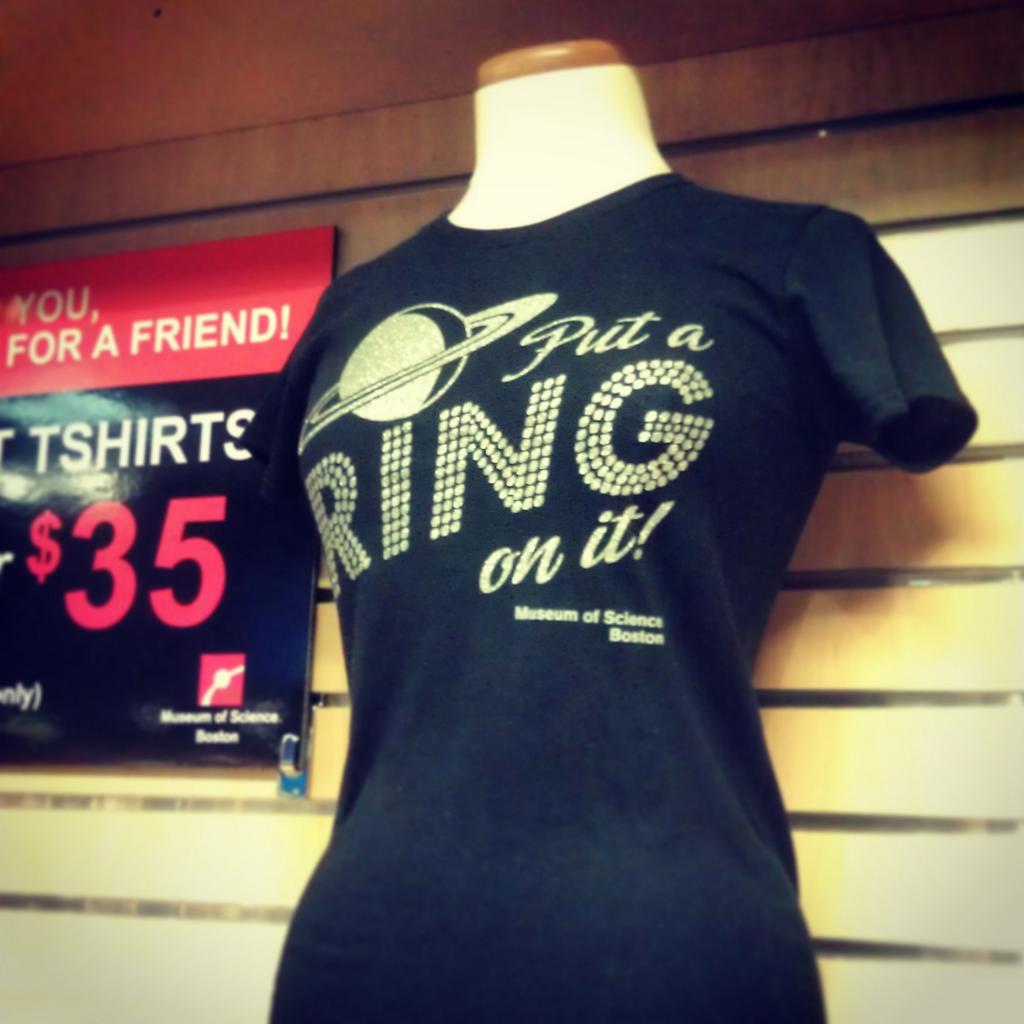
In a recent blog post on Let Clothes Be Clothes, the author asks London's Natural History Museum to imagine that the tops in their gift shop, "...aren’t t-shirts, but mini exhibits, and this exhibition is advertised to and for boys only – would that be acceptable? The Sciences are not a girl-free zone, and should never be promoted to children as such." Likewise, a post on Nerd in the Brain just articulated everything wrong with the unfortunate girls-only science books on sale at their local science museum. Namely that the books are "for girls" because they focus on the biology of flowers or the chemistry of baking muffins. Because boys don't want to bake muffins? Tell that to all the boys you didn't kick out of the play kitchen exhibit upstairs because they were busy pretending to bake. What message does it send to our visitors when they spend their whole museum visit exploring their interests freely, only to be packed back into little pink and blue boxes when they arrive in the gift shop?
This is about consistency of messaging so if it helps, think of it as branding. And it may be easier to improve than you think. Here are some suggestions for making the gift shop more gender inclusive, regardless of whether or not it's run by an external vendor:
- Refuse to carry gender-labeled items. This means no "Girls Only" science books and equal-opportunity dinosaurs.
- Do away with "girl" and "boy" sections. Group by age or interest instead.
- Run training sessions for staff so they can help customers in ways that don't make assumptions. For example, give them the language to respond to a customer who is shopping "for a girl" by asking questions about the girl's interests rather than automatically pointing the customer at anything pink.
- Make visible the efforts you are putting into promoting gender equity throughout the museum. Consider signage that points out specific design or content decisions you made and why you made them. If visitors have access to that knowledge, they might become more conscious of their own biases and assumptions about their children and themselves.
Our values are only as strong as our demonstrations of those values. The museum's mission shouldn't stop at the gift shop door.


